Use a cost conversation to clarify scope, not to guess from a headline.
A cost guide should help the homeowner gather facts before comparing numbers. The more exact the slab description, the less likely the conversation turns into guesswork.
Cost conversations start with visible slab clues
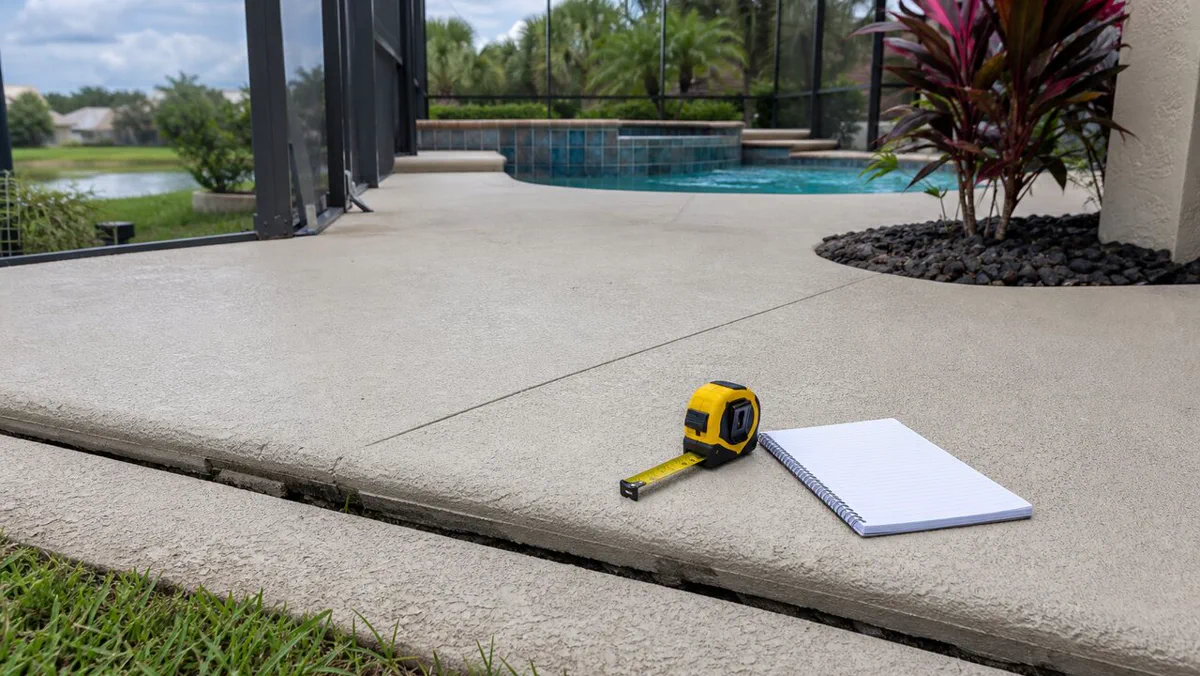
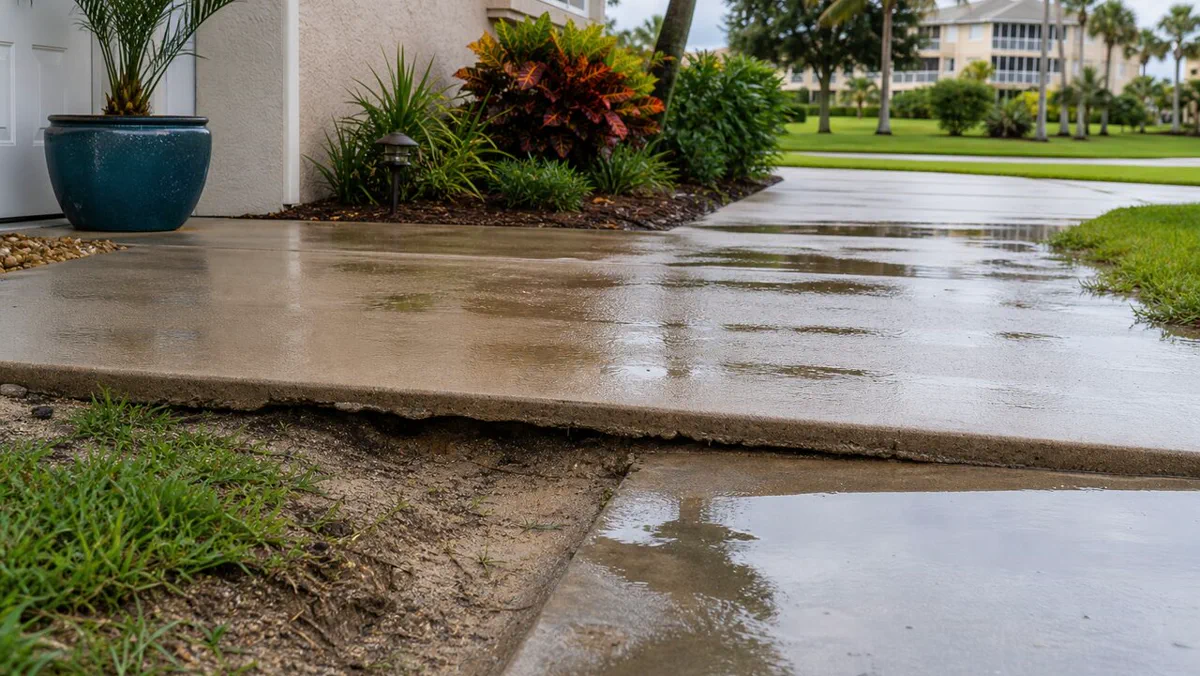
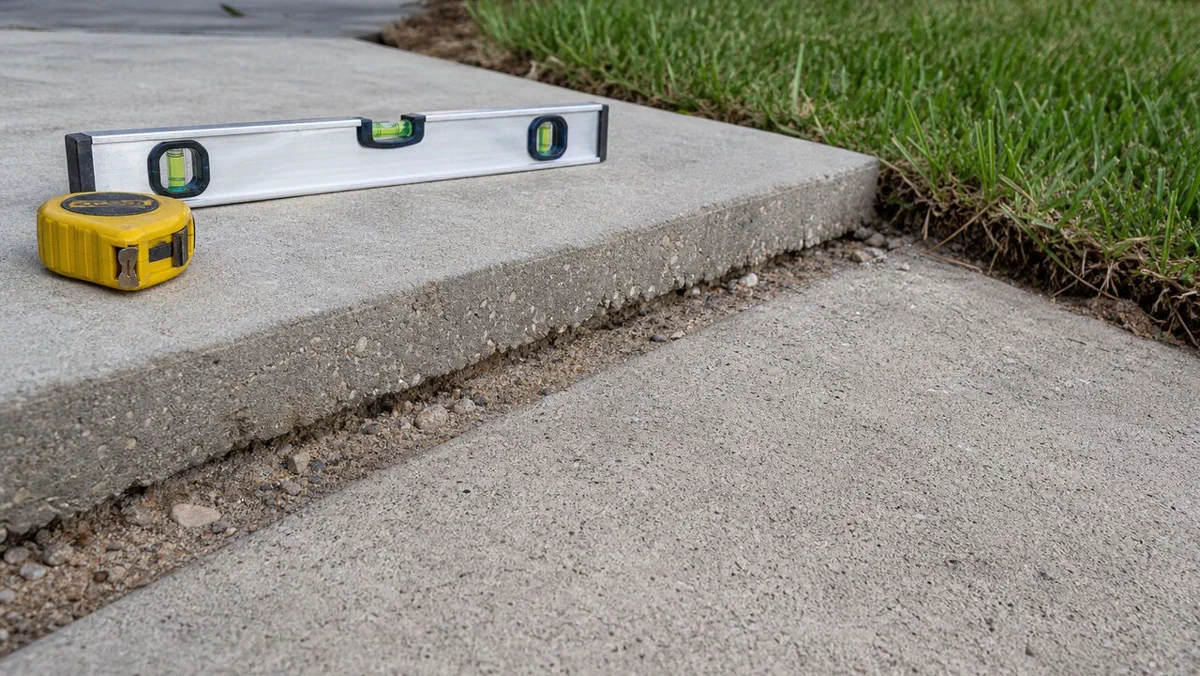
The project should begin with the problem, not the product
You do not need to diagnose the slab before calling. A plain description of the slab type, visible movement, nearby drain or downspout, and access is enough for a professional to ask the right follow-up questions.
The first cost step is not a final number; it is confirming whether the basic details are enough to discuss likely scope or whether more property context is needed.
Plain context that makes estimates more useful
Concrete costs can change when water has removed soil, when several panels move together, or when the work area sits behind a narrow gate or screen enclosure.
What can make an estimate increase
What concrete lifting cost should not promise
The cost guide is limited to ordinary flatwork lifting and leveling questions. It is meant to help owners describe concrete panels, visible settlement, water clues, and access limits before comparing rough cost conversations.
Cost notes homeowners should gather first
Before asking what concrete lifting costs, make a short list of the affected areas. Count the panels if you can, note whether they are driveway, sidewalk, patio, garage apron, porch, or pool deck sections, and identify the worst change in height. If the slab drops toward a garage, door threshold, drain, or pool edge, that location matters. If the concrete has large cracks, loose pieces, or exposed voids, mention that early because the conversation may change from routine lifting to replacement or another specialty.
Daytona-area properties often have water and access clues that are worth including. Repeated roof runoff, irrigation overspray, sandy washout, standing water after storms, and tree roots can all affect how the problem is discussed. A slab detail request should not hide those details to get a quick number. It should describe them plainly so the next step can separate likely lifting work from a broader drainage, erosion, or surface-replacement issue.
A useful cost comparison also asks what is not included. Does the discussion assume easy access? Does it include cleanup? Does it account for cracked panels, nearby landscaping, or a screened enclosure? Is the response only a rough range until someone reviews the site or asks for follow-up details? Those questions help homeowners avoid comparing two answers that are based on different assumptions.