Concrete lifting call guide for Daytona homeowners.
Use this guide to describe the concern in plain language: slab location, movement direction, trip edge, water clue, crack pattern, and anything that blocks access.
Examples of plain-language details
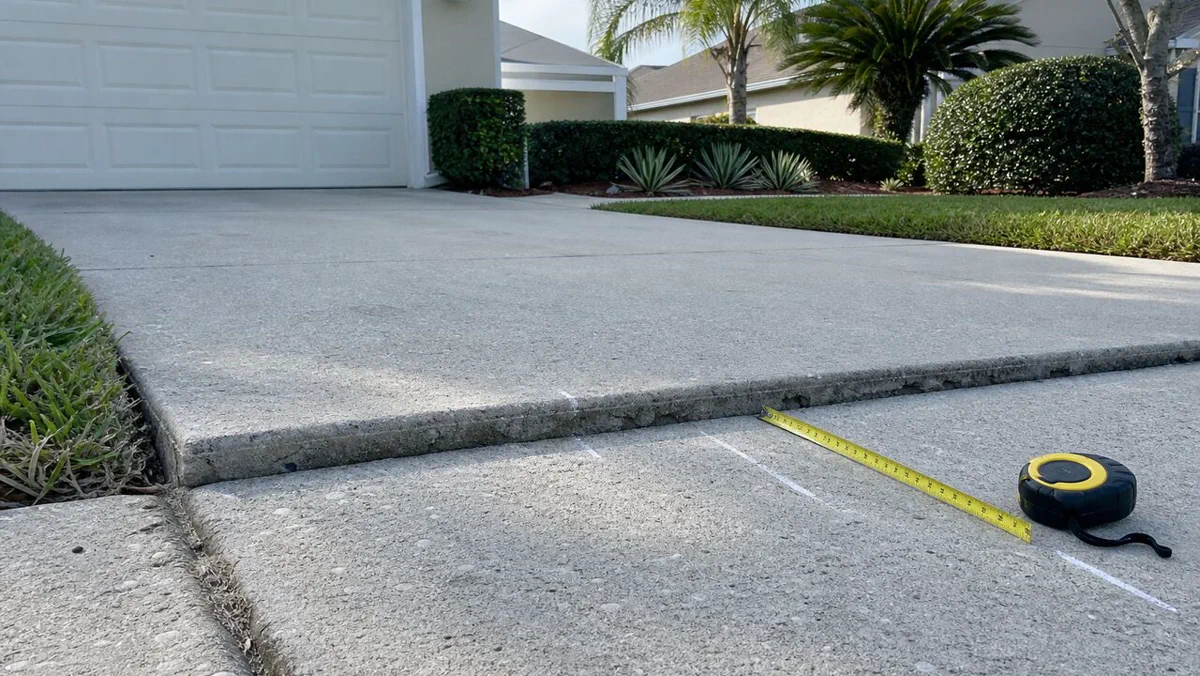
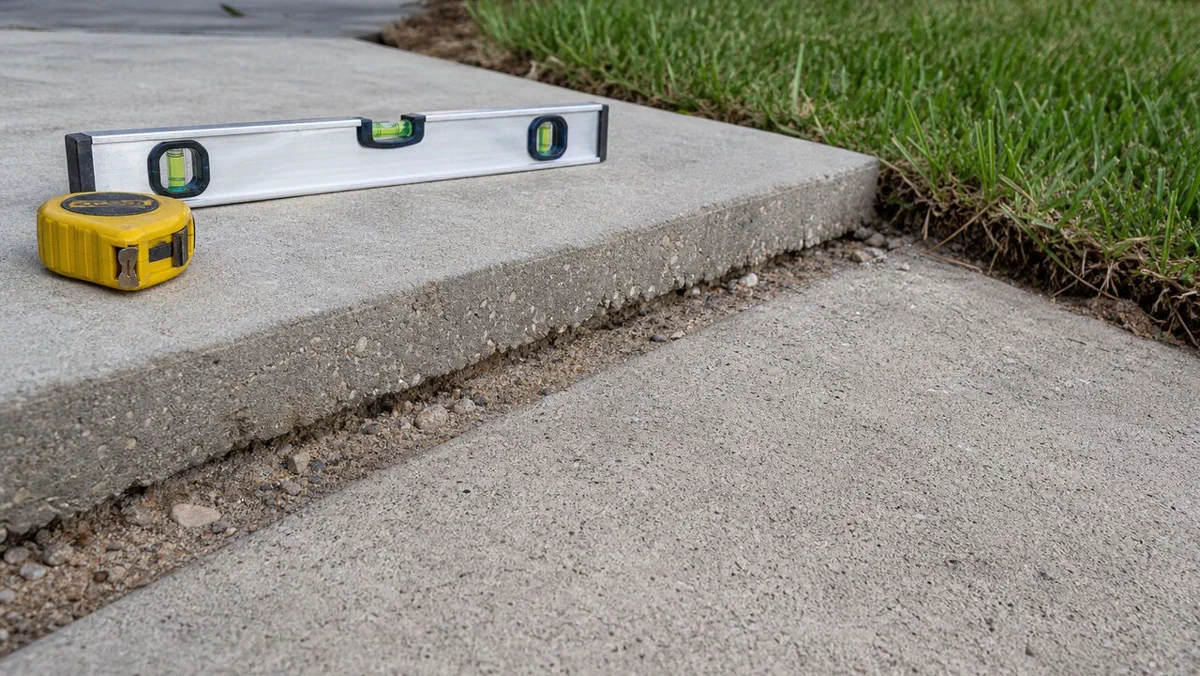
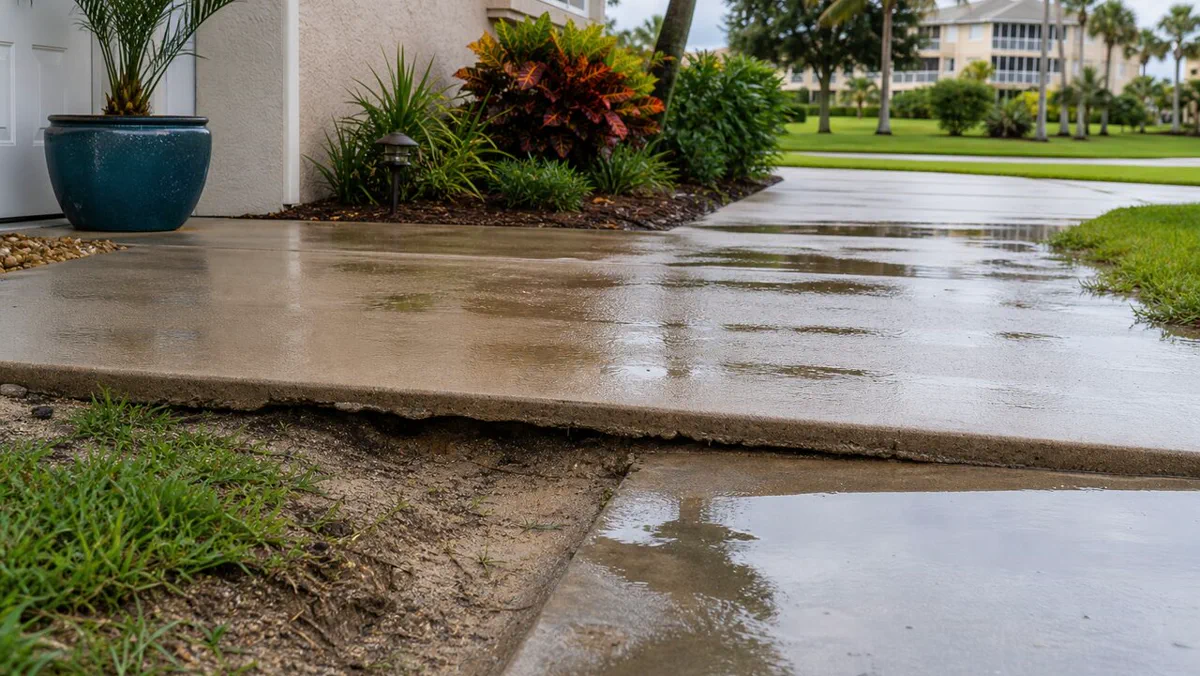
Before you ask for an estimate, note these details
- Which slab moved: driveway, walkway, porch, patio, garage apron, or pool deck.
- Where the worst edge or low spot is located.
- Whether water ponds, runs under the slab, or drains toward the low area.
- Whether there are wide cracks, loose pieces, hollow sounds, or crumbling edges.
- Whether the area creates a trip hazard at an entry, rental walkway, sidewalk, or pool deck.
- Whether the slab is near a downspout, irrigation head, tree root, pool drain, or landscape bed.
- Whether gates, screens, vehicles, pets, furniture, or tenant access affect the work area.
How to explain urgency without overclaiming
The call guide stays focused on practical homeowner observations for concrete lifting: where the panel moved, how severe the edge is, what water does after rain, and what plain-language access notes will help the next conversation.
The call guide is meant to make the next conversation cleaner, not to diagnose the property from a screen. If something looks beyond ordinary flatwork, say so early.
Specific notes reduce vague assumptions. A caller who can point to the exact edge, the nearby water source, and the access path usually gets a more useful response.
Red flags to mention early
What to mention before a callback
Start with a plain description of the concrete section, the worst edge or low spot, and the path used to reach it. Do not stand in a traffic area or around a pool edge to gather extra details before calling. If you already know the cause clues, mention downspouts, drains, irrigation heads, tree roots, soil gaps, screen enclosures, or the direction water travels after rain.
Write down when you first noticed the movement and whether it appears to be changing. Note whether the concrete rocks, sounds hollow, crumbles at the edge, or has cracks running through more than one panel. Mention if the area is used by guests, tenants, children, carts, or delivery drivers, because a front walk or rental entry can be a different priority than a back patio corner.
Check access before the project conversation. Gate width, pets, locked side yards, parked vehicles, patio furniture, narrow pool-deck paths, and screen doors can all affect planning. If the slab is beside a garage, threshold, pool coping, utility cover, or public sidewalk, include that in the request so the response does not assume a simple open driveway panel.