Slab size and number of panels
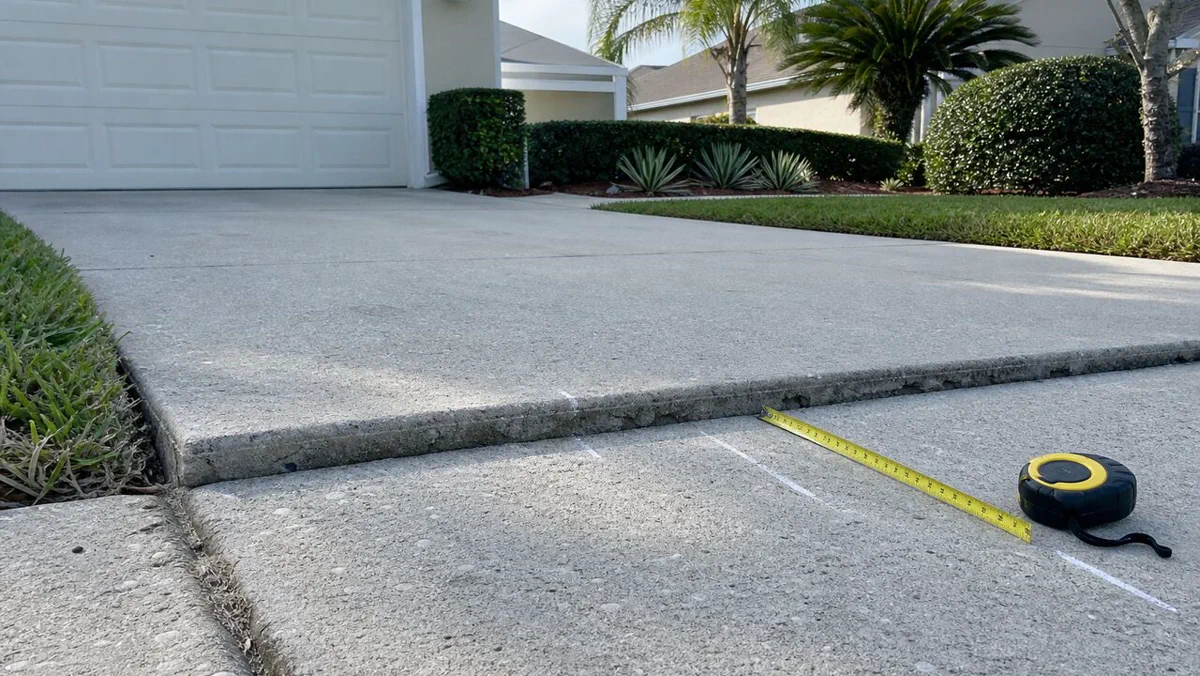
Tell the service response whether one panel moved or several connected slabs are involved.
Pricing starts with variables, not a flat promise. Panel size, void clues, access, cracks, and water behavior all shape the conversation before a useful estimate can happen.
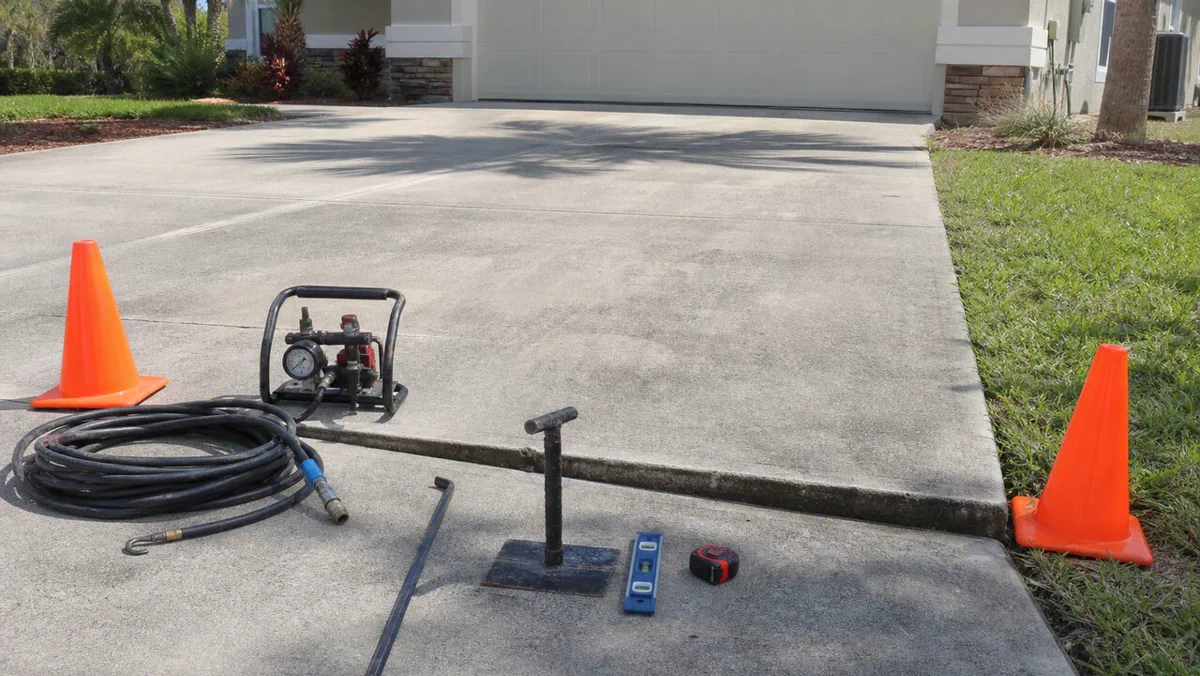
Cost questions improve when the caller can describe the affected panel, the worst edge, how long it has been moving, and whether the work area is easy to reach.
A fair estimate comparison asks what is included, what assumptions are being made, and whether the same slab condition is being discussed by each person who responds.
Tell the service response whether one panel moved or several connected slabs are involved.
Hollow sounds, gaps, soil loss, or water disappearing near an edge can affect material and scope.
Multiple broken pieces may not lift like one intact slab. Describe cracks honestly.
Narrow gates, screens, vehicles, landscaping, and pets can all affect logistics.
If the same water pattern keeps undermining the slab, lifting alone may not be the whole answer.
Lifting is a leveling conversation, not a promise that old concrete will look new.
The pricing page keeps the scope narrow so cost expectations do not drift into unrelated trades. It focuses on flatwork lifting questions for driveways, sidewalks, patios, porch slabs, garage aprons, and pool deck areas, while pointing out when replacement or another specialty may be a better conversation.
Daytona pricing discussions should include the site conditions that may affect the work, especially pooled water, undermined edges, tight access, and slab sections that are already fractured.
Concrete lifting pricing is usually easier to compare when the request separates the visible slab problem from the surrounding conditions. A single low driveway panel may be a simpler conversation than several panels that have cracked, shifted in different directions, or dropped beside a garage apron. Pool deck and screened patio areas can involve tighter access, drains, coping, furniture removal, and more careful planning around finished surfaces. Those details do not promise a price, but they help the first response stay grounded in the actual work area instead of a generic square-foot guess.
You do not need to diagnose the slab before calling. A plain description of the low panel, trip edge, nearby water source, cracks, and access constraints is enough for a professional to ask the right follow-up questions. If the slab is behind a gate, near a screen enclosure, or beside landscaping, mention the route equipment would need to take. Clear details help separate a likely lifting conversation from replacement, drainage, root, or structural concerns.
When comparing responses, ask whether the person is discussing the same slab sections you described, whether cleanup and access are included in the conversation, and whether cracks or broken corners change the recommendation. A cautious answer is better than a confident promise when the condition has not been inspected. The goal is to move from vague pricing to a practical next step that reflects the driveway, walkway, patio, or pool deck in front of you.