Tree-Lined Lots And Shaded Walkways
Tree-lined lots and shaded walkways can change what should be checked before concrete lifting is discussed.
Ormond Beach concrete lifting questions often start with a walkway edge, a driveway panel, or a patio corner that has moved slowly over time. Tree roots, shade, irrigation overspray, roof runoff, and older concrete joints can all change what should be asked before anyone talks about lifting the slab.
The strongest slab detail request explains whether the concrete is one intact panel or several cracked pieces, whether the edge rocks or sounds hollow, and whether the movement is close to a root, downspout, garage slab, or landscape bed. That level of detail keeps the conversation focused and avoids treating every Ormond Beach slab as the same problem.
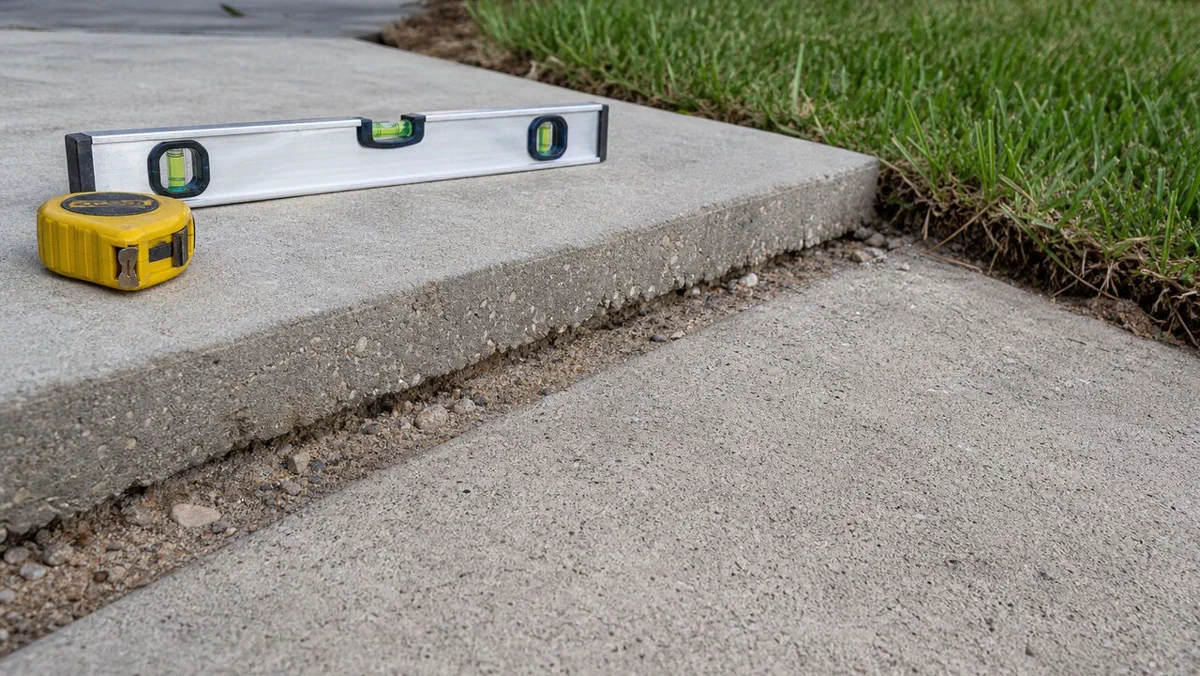
Tree-lined lots and shaded walkways can change what should be checked before concrete lifting is discussed.
Older driveway sections near garages can change what should be checked before concrete lifting is discussed.
Front walks with roots or irrigation nearby can change what should be checked before concrete lifting is discussed.
Patios where water moves toward a low corner can change what should be checked before concrete lifting is discussed.
Clear local service pages should still help a real homeowner. For Ormond Beach, that means explaining practical prep: note the trip edge, describe water after rain, identify gates or narrow side yards, and be clear if the slab touches steps, a porch, a garage apron, or a pool-deck area.
For Ormond Beach, the project path should ask for plain details about roots, shade, irrigation, garage aprons, and front walks. These observations make the page specific and help service response separate routine leveling from a slab that is broken or affected by a larger site issue.
Ormond Beach visitors may be comparing trip-edge repair, concrete leveling, and replacement. A useful first call starts with what they can observe before scheduling: roots near a walkway, shade that keeps soil damp, irrigation heads near the low edge, or older driveway joints that have opened over time. Those details support search relevance while keeping the page practical for a homeowner.
If roots, shade, or irrigation are part of the Ormond Beach issue, say so early. The service response can then ask better questions about whether the slab can be lifted, whether the cause may continue, and whether another repair conversation should happen first.
Also include whether the surface is shaded most of the day, because damp soil and roots can change the service response questions.
Use the form to share Ormond Beach slab details so the callback can focus on roots, water, access, cracks, and whether lifting is a practical next step.
Compare nearby Volusia County slab conditions and slab details.
Read the Daytona Beach pageCompare nearby Volusia County slab conditions and slab details.
Read the Port Orange pageCompare nearby Volusia County slab conditions and slab details.
Read the Holly Hill page