Driveway leveling
Driveway conversations should note the number of panels, the garage apron relationship, tire path wear, nearby downspouts, and whether the low area holds water after storms.
Service conversations should separate the surface from the setting. A driveway apron beside a garage, a private walkway, and a pool deck edge all need different access notes and different questions about cracks, joints, and water.
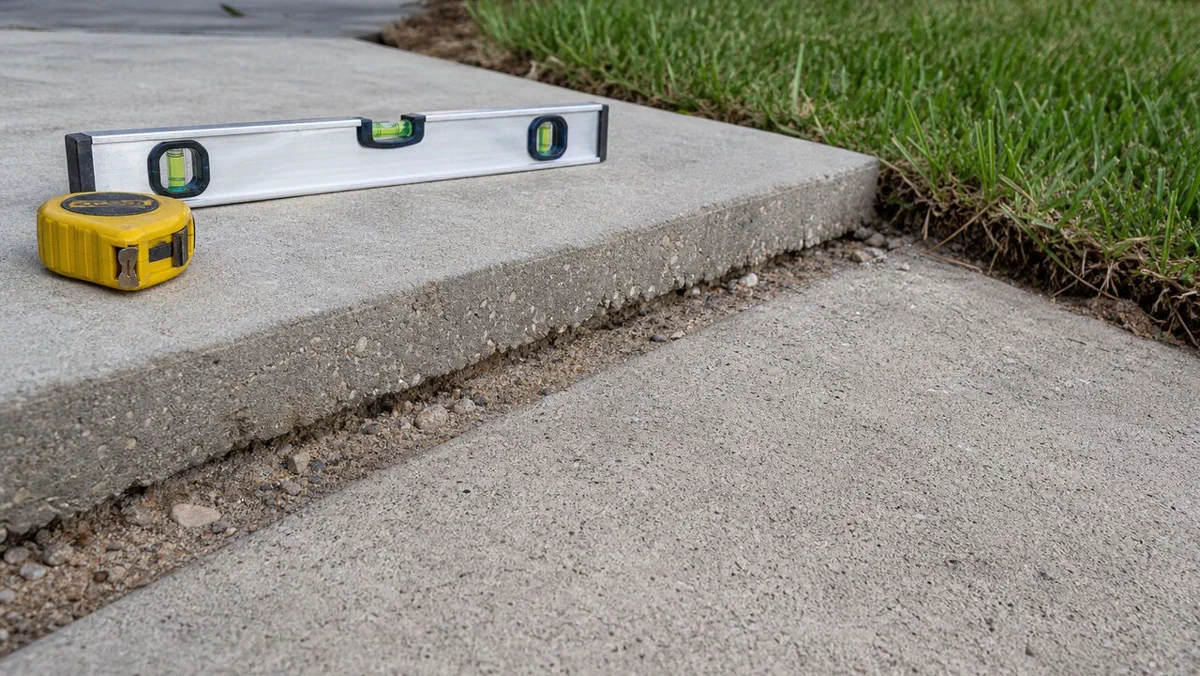
The service scope here is limited to concrete lifting and leveling conversations for common flatwork. If a slab looks broken, undermined, or tied to a larger building concern, that should be named before anyone treats it as routine lifting.
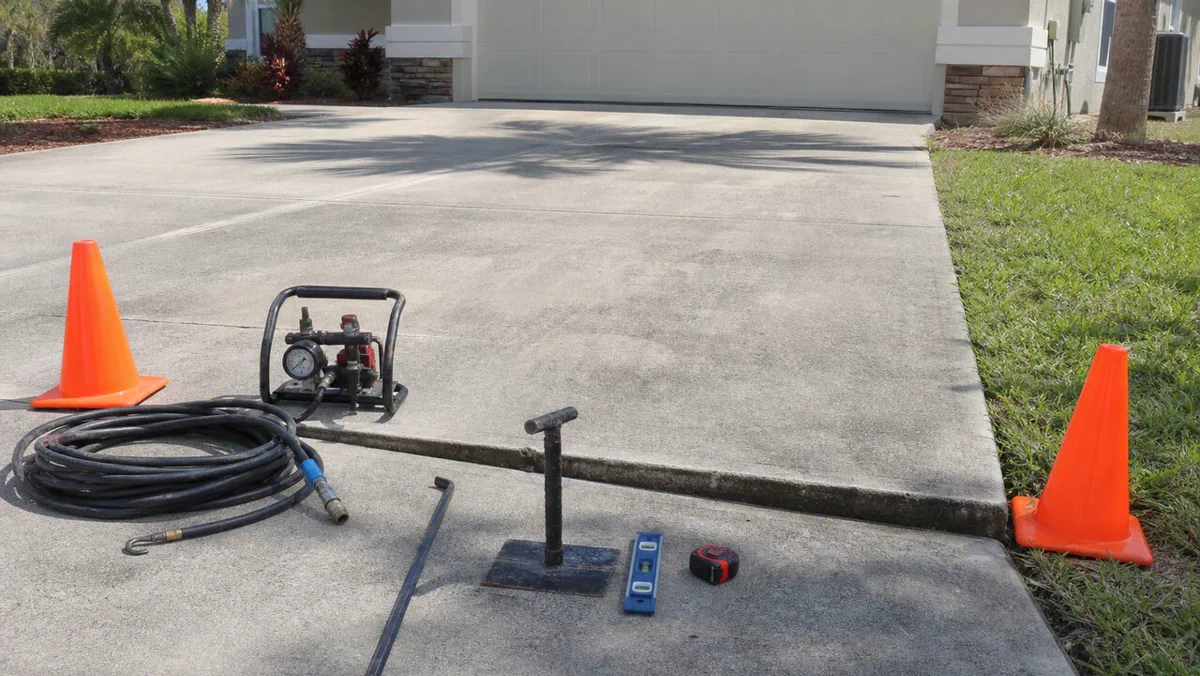
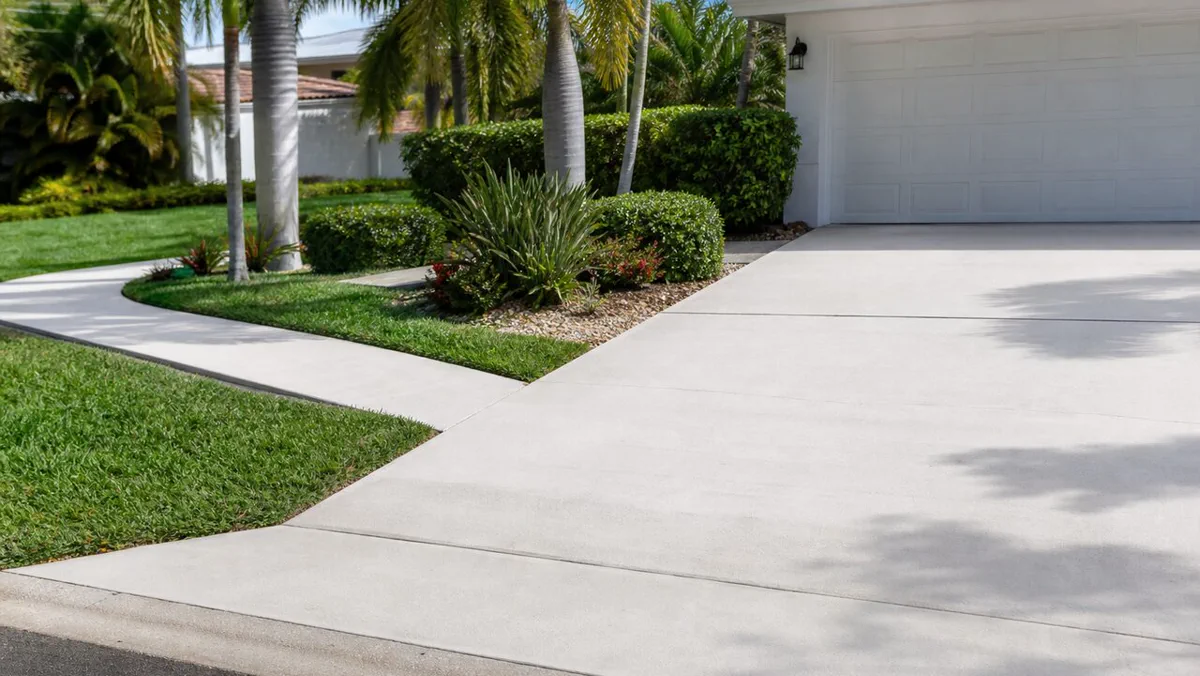
Driveway conversations should note the number of panels, the garage apron relationship, tire path wear, nearby downspouts, and whether the low area holds water after storms.
Entry walks need a clear description of the worst edge, nearby roots or landscape beds, water flow, and whether the slab sits on private property or near a public walkway.
Pool deck questions should include deck drains, screen posts, coping edges, furniture access, and whether the movement affects a walking path around the water.
Patio and porch slab discussions should include furniture, gate width, pets, screen doors, and whether the low corner developed after repeated runoff.
Material questions should be answered plainly: how the slab is accessed, what holes may be involved, what cleanup means, and what lifting does not solve.
If the concrete is broken into loose pieces, actively washing out, or connected to a larger building concern, the inquiry may need a different conversation before lifting is considered.
Useful estimate language protects the homeowner from vague assumptions. A sunken driveway panel near the garage is different from a trip edge on a front walk. A pool deck lip near coping is different from a rear patio corner that dropped after years of runoff. A project conversation should ask enough questions to separate likely lifting work from replacement, drainage, root, or structural concerns.
A service inquiry should turn vague symptoms into a short scope list: slab type, worst edge, drainage clue, crack pattern, and access constraint. That is enough to decide what the next conversation should cover.
Mention where the slab is located, what changed over time, whether water ponds after rain, whether the concrete sounds hollow, and whether the slab rocks or crumbles. If the area is behind a gate, around a screen enclosure, near a pool, beside a garage, or used by tenants or guests, those access and safety details matter.
Property managers often coordinate several exterior repairs at once when trip hazards, drainage, and building wear are visible. If the same site also needs roof review, plan commercial roofing work in Daytona separately from slab lifting so each scope is handled by the right trade.