Beachside Moisture And Repeated Afternoon Rain
Beachside moisture and repeated afternoon rain can change what should be checked before concrete lifting is discussed.
Daytona Beach concrete lifting inquiries usually need more than a quick square-foot guess. A driveway panel near the garage, a front walk with a raised lip, and a pool deck corner that drops toward a drain can each point to different causes and different access questions. The cleanest first step is to describe where the concrete moved, what water does after rain, and whether the slab is still mostly intact.
For Daytona Beach properties, the project conversation should pay attention to sandy soil, irrigation runoff, roof discharge, pool-deck drainage, and how often vehicles or guests use the surface. Those details help separate a routine slab lifting discussion from a broken slab, drainage, root, or structural concern that may need a different kind of review.
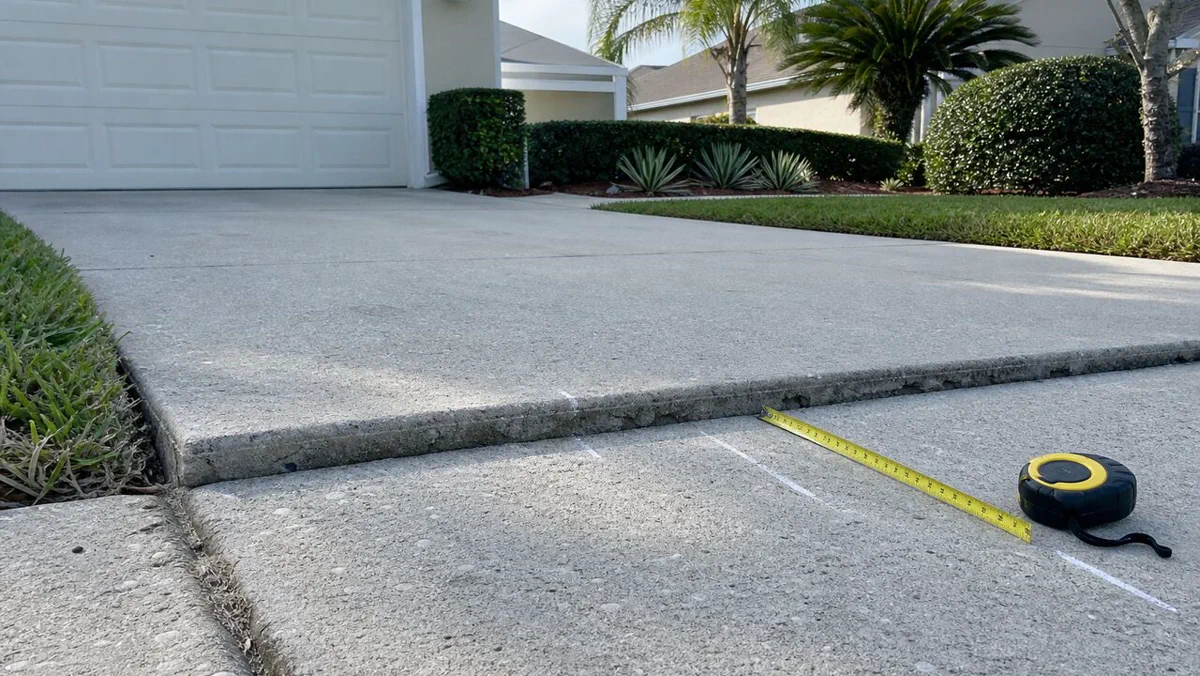
Beachside moisture and repeated afternoon rain can change what should be checked before concrete lifting is discussed.
Garage aprons, beachside driveways, and front walk panels each need different estimate questions before scope is reviewed honestly.
Walkways at rentals, duplexes, and older homes can change what should be checked before concrete lifting is discussed.
Pool deck edges near drains, coping, and screen enclosures can change what should be checked before concrete lifting is discussed.
A useful callback note does not need sales language. It needs the slab location, the worst edge, the amount of settlement if you can estimate it, whether water ponds, and whether access is blocked by cars, gates, screen panels, tenants, pets, or furniture. That keeps the conversation practical and helps avoid promises before the site details are clear.
For the city page itself, keep the next step short and specific. Share where the slab sits on the property, whether the edge is still moving, and whether a visitor, tenant, or vehicle crosses that area every day. That is enough to turn a search visit into a useful project conversation without adding clutter.
For Daytona Beach, the best local detail is usually the relationship between traffic, water, and slab use. A driveway panel that drops where tires turn into a garage should be explained differently from a pool deck corner that catches runoff or a walkway edge that guests cross every day. Include whether the issue is beachside, near a rental entry, close to a downspout, or beside a screened area. Those specifics help the page rank for the right local intent while giving the visitor a practical reason to start a project conversation.
If you are near beachside rentals, older driveways, or a pool area, include how often the slab is used and whether the low spot creates a daily nuisance. That keeps the Daytona Beach page useful for search and directs visitors toward a clean, practical slab detail request.
Use the form to share Daytona Beach slab details so the callback can focus on movement, water, access, and realistic scope before price or timing is discussed.
Compare nearby Volusia County slab conditions and slab details.
Read the Ormond Beach pageCompare nearby Volusia County slab conditions and slab details.
Read the Port Orange pageCompare nearby Volusia County slab conditions and slab details.
Read the Holly Hill page