Daytona Beach concrete lifting
Concrete lifting project notes for Daytona Beach slabs, access, water clues, and realistic next steps.
Read the Daytona Beach pageAcross Volusia County, the best estimate notes are tied to the property setting: beachside moisture, older concrete, screened pool areas, tree-lined streets, or tight side yards.
For any nearby city, identify the slab location and what surrounds it. A Port Orange pool deck, Ormond walkway, or Holly Hill driveway can each create different access and water-flow questions.
Use these city pages when the estimate question is tied to local access, drainage, pool-deck layout, tree roots, beachside moisture, or neighborhood-specific slab conditions. Each page keeps the language practical and conversion focused instead of repeating the same city-name paragraph.
Concrete lifting project notes for Daytona Beach slabs, access, water clues, and realistic next steps.
Read the Daytona Beach pageConcrete lifting project notes for Ormond Beach slabs, access, water clues, and realistic next steps.
Read the Ormond Beach pageConcrete lifting project notes for Port Orange slabs, access, water clues, and realistic next steps.
Read the Port Orange pageConcrete lifting project notes for Holly Hill slabs, access, water clues, and realistic next steps.
Read the Holly Hill pageConcrete lifting project notes for New Smyrna Beach slabs, access, water clues, and realistic next steps.
Read the New Smyrna Beach page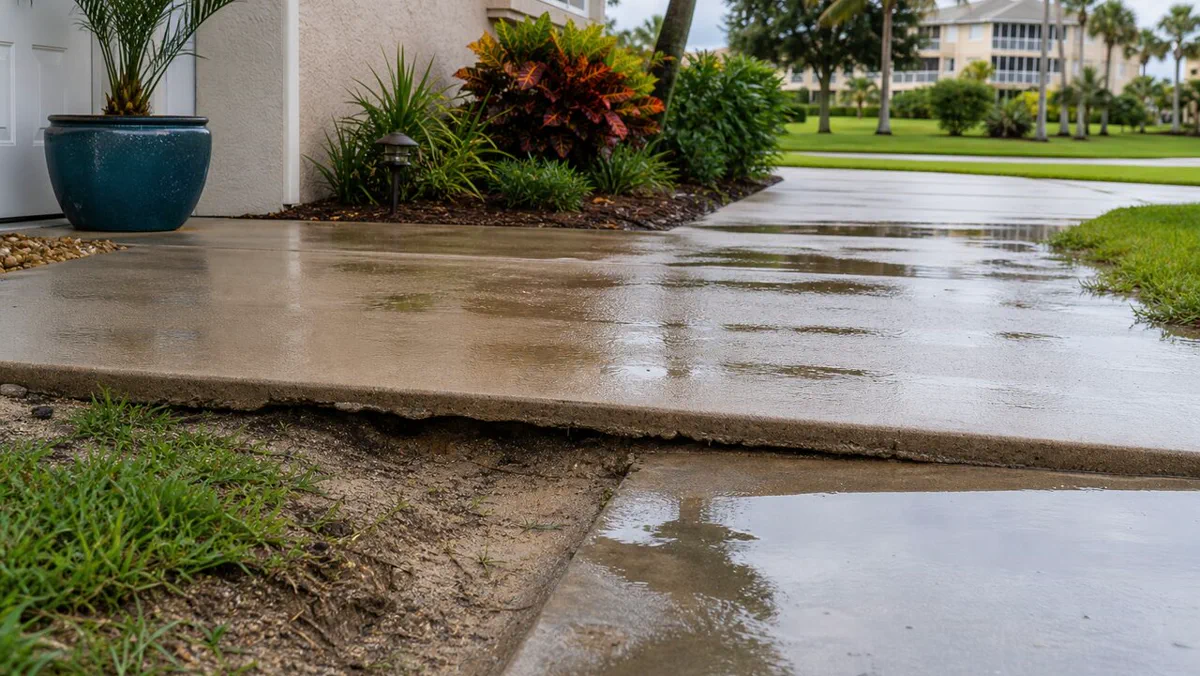
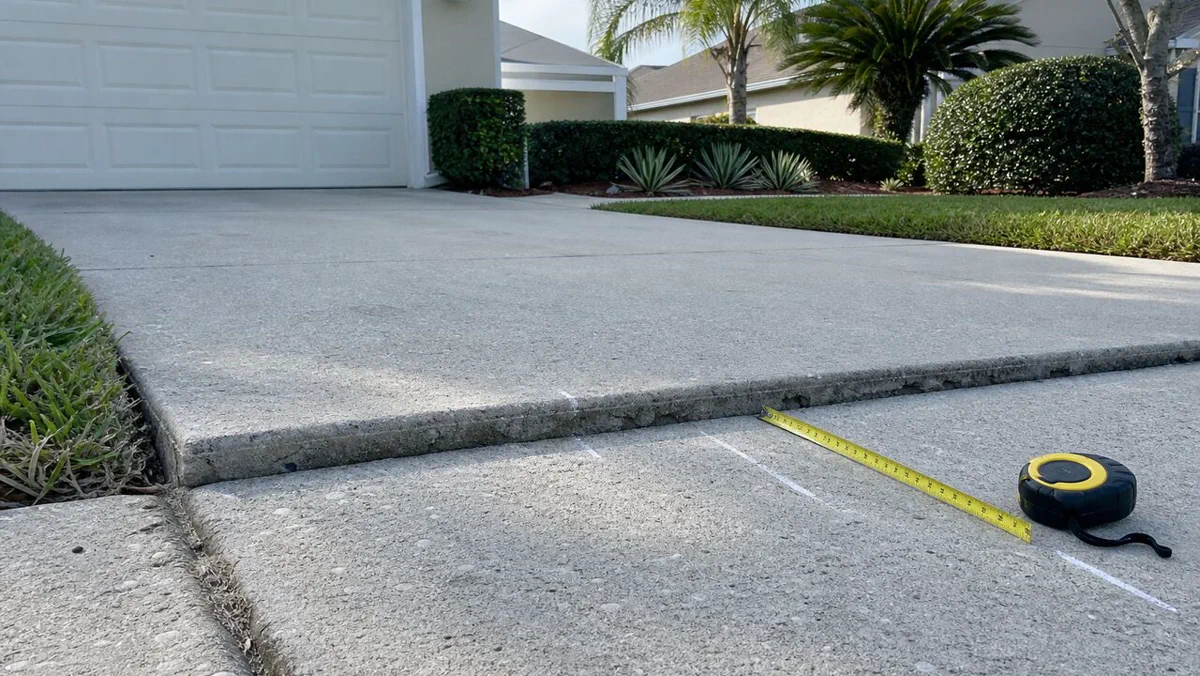
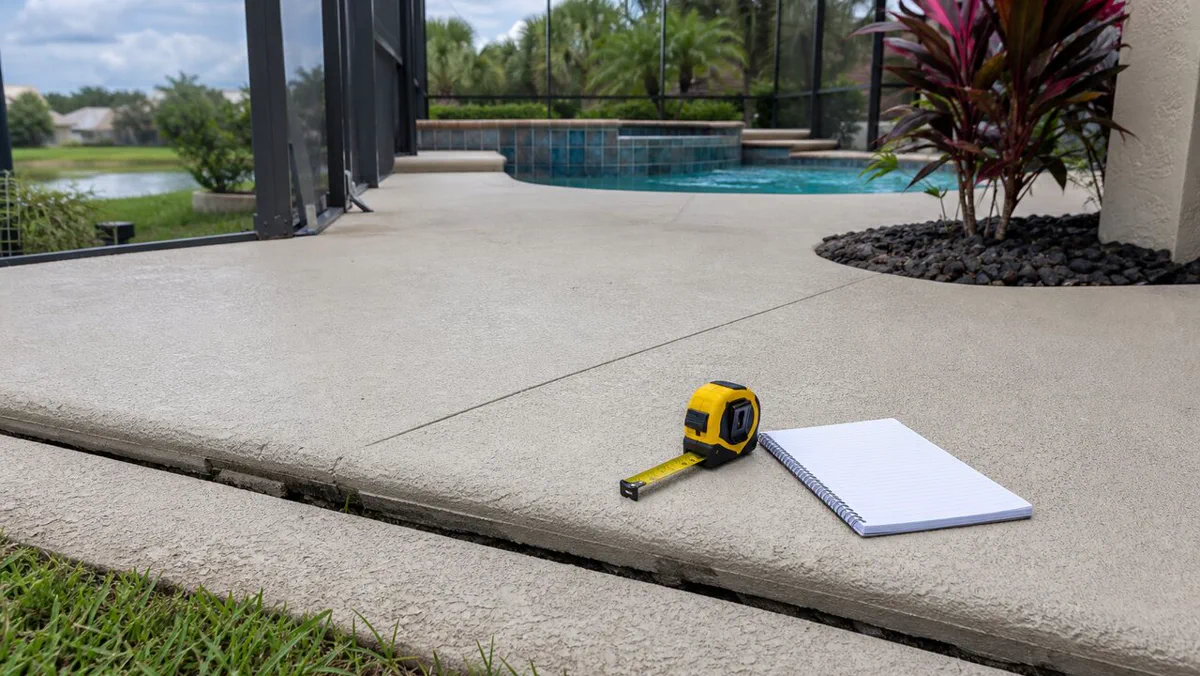
Driveways, walkways, rental entries, beachside properties, and pool homes can each create different access and drainage questions.
Older neighborhoods and tree-lined lots can create root, shade, and water-flow clues around slabs, sidewalks, and garage entries.
Pool decks, patios, and driveway panels are common estimate topics. Mention screen enclosure access, side-yard width, and rainwater movement.
Smaller lots and tight access can matter. Confirm whether equipment can reach the slab and whether the issue is in a walkway, driveway, or rear patio.
Coastal conditions, pool areas, patios, and older concrete can require careful review of cracks, washout, and access before promises are made.
Local context matters because the same visible drop can have different causes. The point is to explain the scene well enough for the next step to be realistic.
A service-area request should help sort the conversation before scheduling expectations enter the picture: location, slab type, water clue, and access path first.
The service-area page explains how nearby property owners can prepare concrete lifting details by city and setting. It does not promise coverage, response time, final pricing, or an assured repair result from the web form.
Whether the property is in Daytona Beach, South Daytona, Port Orange, Ormond Beach, Holly Hill, Daytona Beach Shores, or another nearby community, the first request should explain the slab and the setting. Name the area, then describe the surface: driveway, walkway, patio, garage apron, porch, pool deck, or entry path. Add the visible movement, nearby cracks, water behavior, and access path. That is more helpful than a city name alone.
For beachside and coastal properties, note salt air exposure, storm runoff, sand movement, and tight lots when they are relevant. For inland neighborhoods, describe roots, irrigation runoff, downspouts, and low yard areas. For screened pool decks, include gates, screen posts, drains, coping, and whether furniture blocks the work area. These details help separate a likely lifting conversation from replacement, drainage, or other contractor questions.
If the site serves a rental, small association, or managed property, include who will be present and how access can be coordinated before a slab review. The goal is not to promise service in every neighborhood or promise a match. It is to make the first conversation specific enough that the responder can ask better questions and avoid overpromising from a short form submission.