A practical guide to describing settled concrete in the Daytona area.
The local guide focuses on what a homeowner can observe before calling: the slab, the edge, the water pattern, and the nearby features that may explain why movement showed up there.
Concrete settlement details worth mentioning
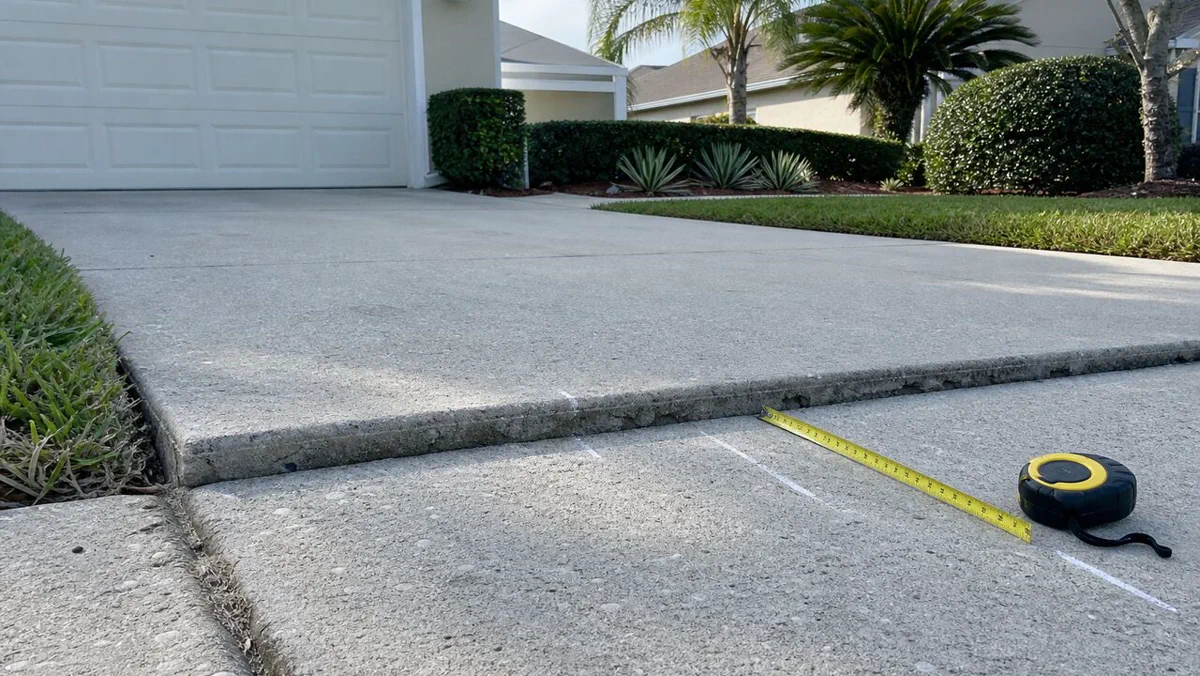
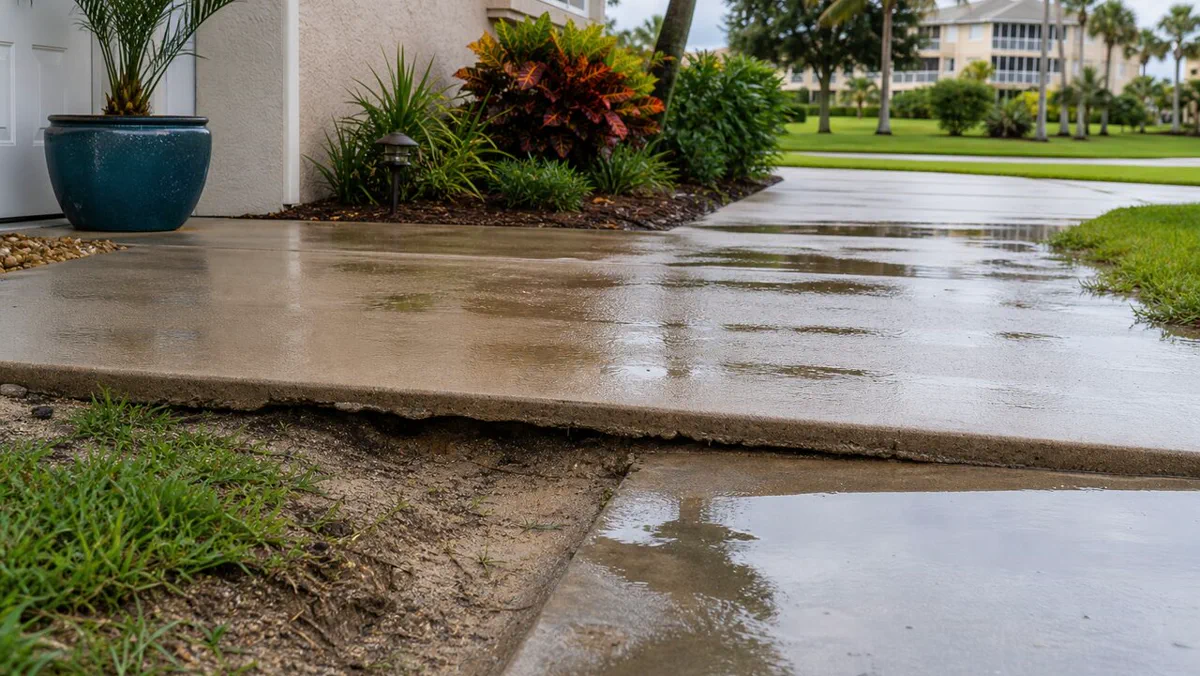
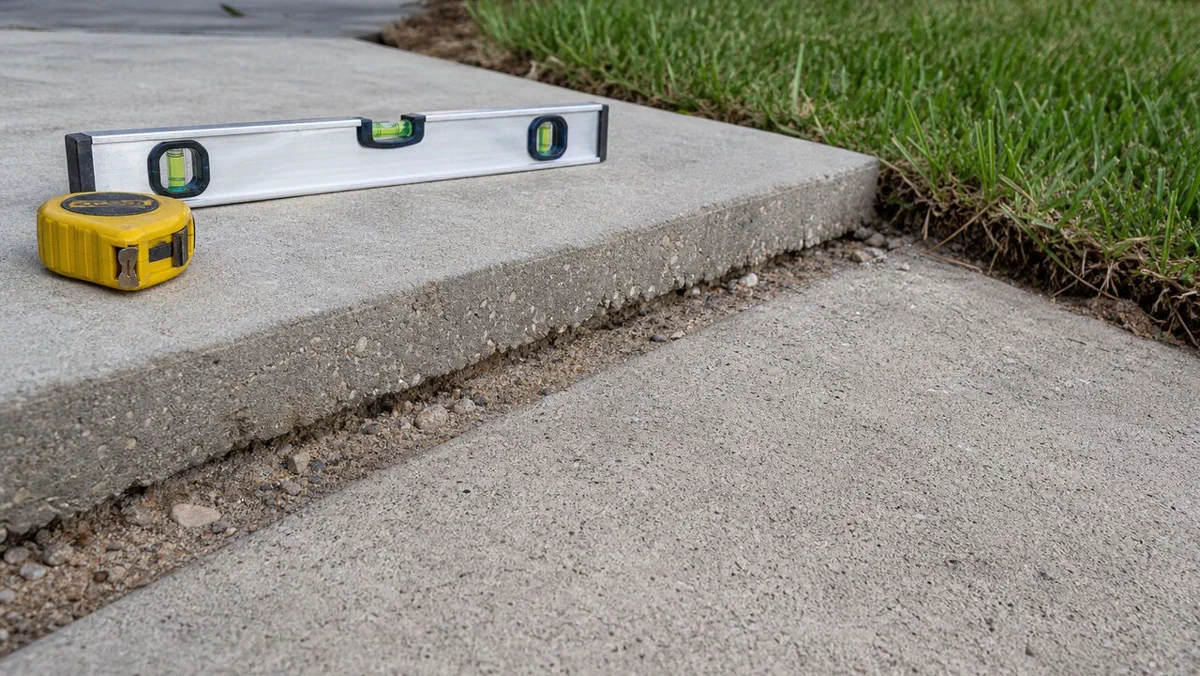
Step one: identify the slab and movement
A clear description starts with the most specific location possible, then adds what changed, where water travels, and whether the slab feels loose, hollow, cracked, or simply low.
Good notes protect the caller from a rushed answer. They make it easier to separate a simple trip edge from a slab that is broken, washed out, or affected by something nearby.
Step two: look for water clues
The practical next step is to decide whether the details point toward a lifting discussion, a replacement discussion, or a different property issue that needs a separate look.
Step three: separate cracks from settlement
Step four: explain access
Step five: keep expectations realistic
The local guide is intentionally narrow. It helps Daytona-area owners explain common flatwork concerns without implying foundation repair, engineering, waterproofing, rush response, or assured outcomes.
Local conditions to describe clearly
The most useful local detail is not just the city name; it is the setting around the slab. Beachside homes, older inland neighborhoods, rental properties, mobile-home communities, and newer subdivisions can have different access and water patterns. A driveway panel in Ormond Beach, a pool deck in Port Orange, and a front walk near Daytona Beach Shores may all need different service response questions even when each homeowner says the concrete is uneven.
Describe whether the slab is near roof runoff, irrigation lines, a pool screen, a downspout, a low yard area, a tree root, or a garage threshold. If water ponds after an afternoon storm, include where it collects and whether it drains across the slab or underneath an edge. Those clues help the conversation stay focused on why the surface may have moved and whether lifting is a reasonable next step to discuss.
If the property is a rental, vacation home, HOA community, or multi-unit setting, mention access limits and who can approve work. A project conversation can be slowed down by locked gates, tenant schedules, parking restrictions, or shared walkways. Clear local and access notes make the first service response more useful without promising a same-day visit, an assured outcome, or a final price from a web form.